


Feathers, Fledglings, and a Feast: The Year of the Owl at Glade Trust
- May 28
- 2 min read
Updated: Jun 1
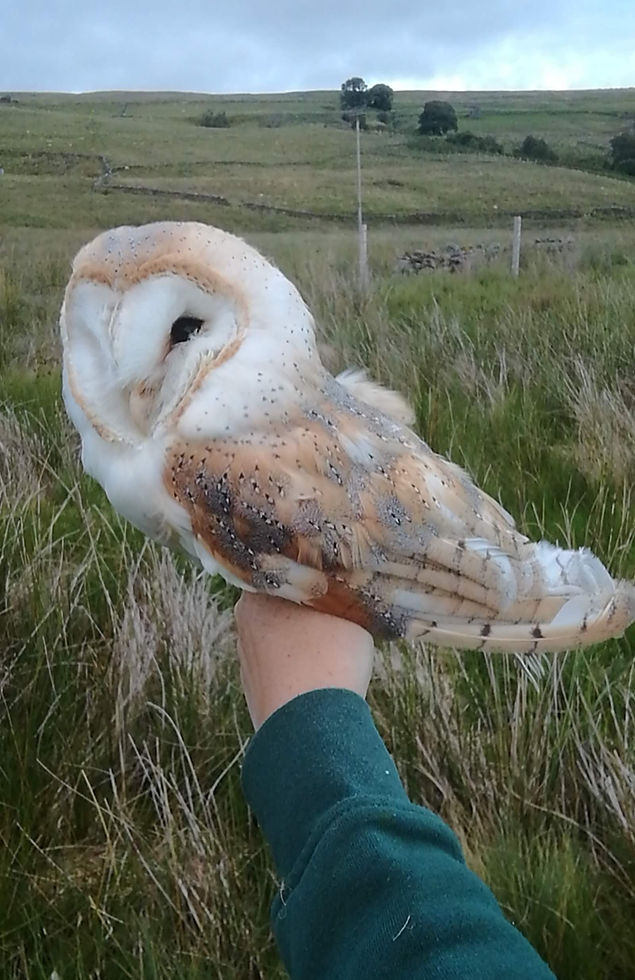
If you have taken a stroll through the Glade Trust Nature Reserve at dusk recently, you might have caught the ghostly white silhouette of a Barn Owl sweeping low over the long grass, or heard the familiar, comforting tu-whit tu-whoo of a Tawny Owl echoing from the woodland canopy.
This year, those sights and sounds aren’t just a lucky coincidence—they are the soundtrack to an absolute breeding boom. We are thrilled to report a spectacular bumper year for both our Barn Owls and Tawny Owls!

The Secret Behind the Boom: It’s a "Vole Year"
In the world of raptor conservation, everything comes down to food supply. Field vole populations are notoriously cyclical, typically peaking every three to four years. This season, the rough grasslands of Glade Trust have been absolutely teeming with them.
When a "vole year" hits, it triggers a remarkable biological response in our apex nocturnal predators:
Larger Clutch Sizes: Instead of the usual two or three eggs, well-fed female owls have been laying significantly larger clutches.
Higher Survival Rates: With an abundant supply of high-protein prey being brought back to the nests by hard-working parents, nearly every chick in the brood has a fighting chance at fledging.
Double Brooding: The abundance of food has been so profound that some of our Barn Owl pairs are already showing signs of attempting a rare second brood this season!
Data from the Field: Monitoring for the BTO
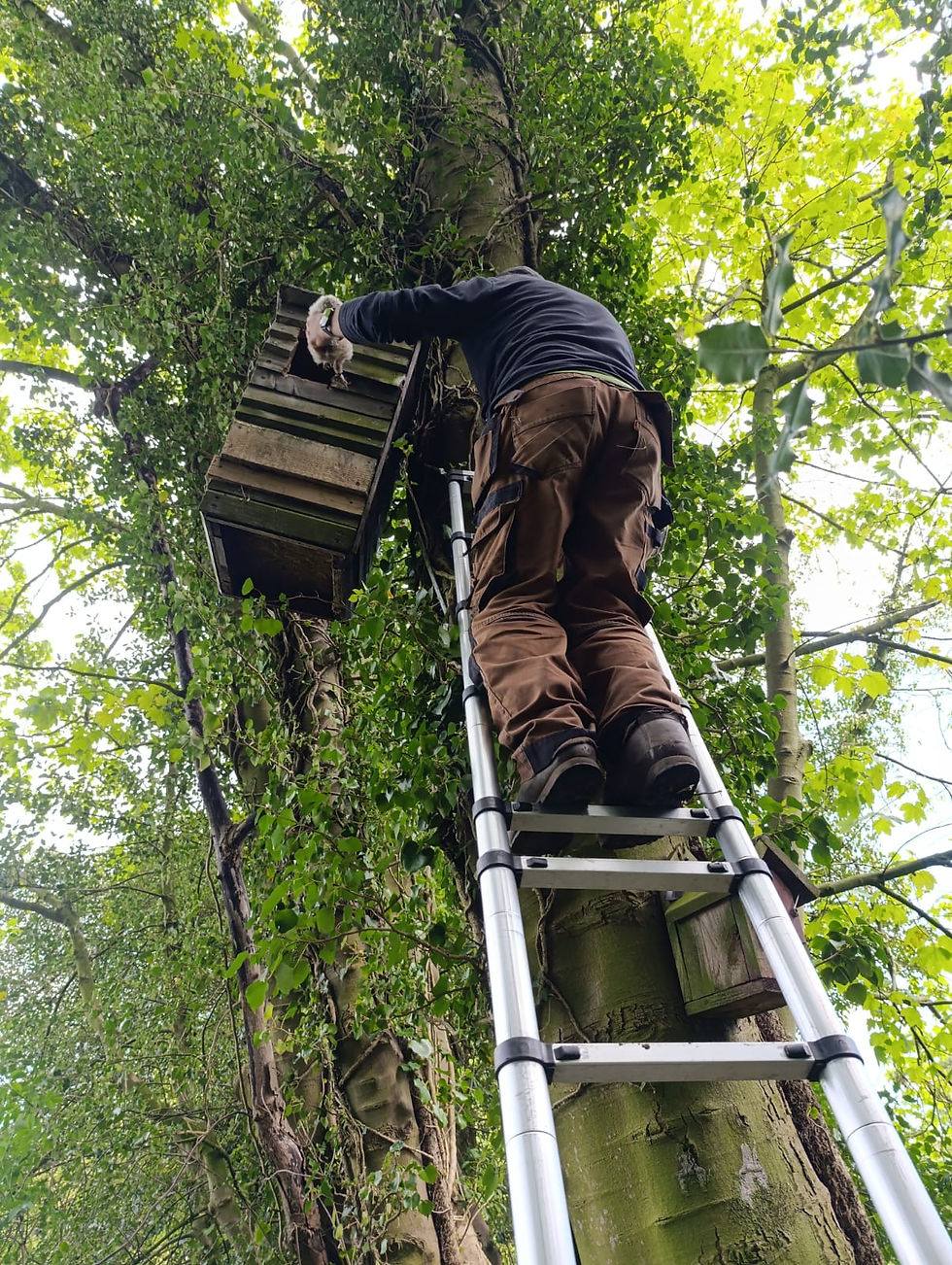
As many of our regular supporters know, Glade Trust actively participates in vital monitoring schemes for the British Trust for Ornithology (BTO). Our dedicated, licensed monitoring team has been busy checking the nest boxes scattered across our woodland margins and open meadows.
The data we’ve collected so far has been nothing short of extraordinary.


While the Tawnies nested early in the deep woods, our meadow-hunting Barn Owls quickly followed suit, filling the boxes with healthy, hissing, incredibly fluffy owlets. Every ring placed on a chick's leg and every nest recorded contributes directly to national data, helping the BTO understand how these birds are faring on a wider scale across the UK. The thriving numbers at Glade Trust highlight just how crucial properly managed habitat is for supporting these species during peak prey cycles.
How You Can Help Our Owls Thrive
While nature has provided a spectacular feast this year, the long-term survival of our owls depends on consistent habitat management. You can support our local owl populations directly by:
Staying on the Paths: Minimising disturbance near known nesting areas gives young fledglings the peace they need to perfect their hunting skills.
Sponsoring a Nest Box: Help us maintain and replace our network of BTO-monitored boxes so our owls always have a safe place to breed.
Leaving Rough Grass Margins: If you live near the reserve, leaving a patch of long, un-mowed grass in your garden or land creates a perfect micro-habitat for small mammals like voles.
A massive thank you to our volunteer monitors, BTO partners, and members whose support makes keeping tabs on these magnificent birds possible.
Long Eared Owls also feature at this time of the year




...and Little Owls


Comments