


Winter Maintenance
- Jan 19
- 2 min read
Winter is a season of resilience at the Glade Trust Nature Reserve. While the landscape may look quiet under a frost-dusted canopy, our bird populations are working harder than ever to survive the long, cold nights.
As stewards of this land, we have a unique responsibility. Feeding our feathered friends is a joy, but it carries a duty of care. This month, we’re focusing on the "winter hygiene" that keeps our reserve thriving—from the feeder stations to the majestic owls in the meadows.

1. Clean Feeders Save Lives
During winter, birds congregate in higher numbers at feeding stations. While this makes for great birdwatching, it also creates a "hotspot" for diseases like Trichomonosis or Avian Pox. A dirty feeder can quickly turn a lifeline into a hazard.
Your Weekly Cleaning Checklist:
The 5% Solution: Use a weak solution of domestic bleach (5%) or a bird-safe disinfectant.
Scrub the Nooks: Use a dedicated long-handled brush to remove old seed and droppings.
Air Dry is Key: Never refill a damp feeder. Moisture leads to mold, which is toxic to birds.
Rotate and Rake: If you feed birds at home, try moving your feeders every few weeks to prevent waste build-up on the ground.
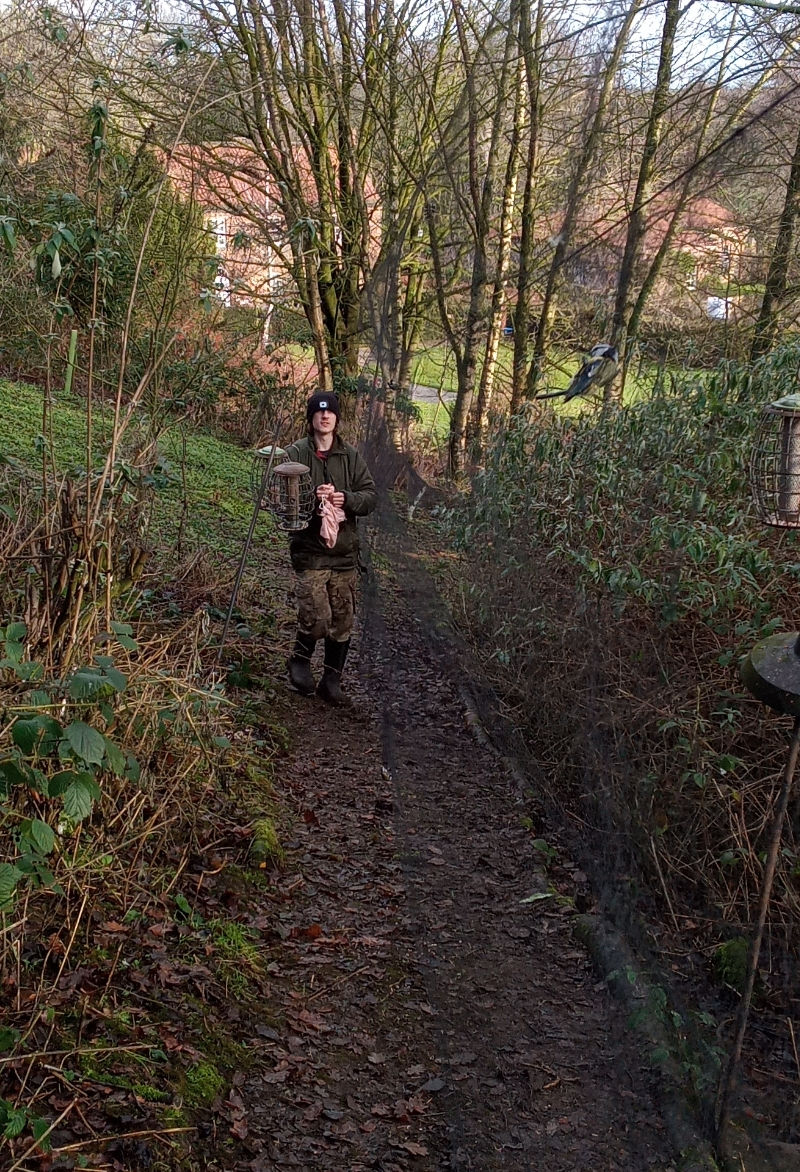
2. Monitoring with Purpose: Winter CES
You may have heard our team discussing Winter CES (Constant Effort Sites). While the traditional BTO CES scheme focuses on the breeding season, winter monitoring is just as vital.
By using standardized ringing and observation methods during these colder months, we can track the survival rates of species like the Long-tailed Tit and Goldcrest. This data tells us how well our birds are coping with the local climate and whether our habitat management is providing enough natural forage to supplement those garden feeders.


3. A Winter Home for Barn Owls
High above the woody edges of the reserve, our Barn Owl nest boxes stand as silent sentinels. Winter is actually the best time for us to perform essential maintenance on these sites.
Barn Owls don’t "build" nests with twigs; they rely on a thick layer of pellets to cushion their eggs. Over time, this debris can become compacted and damp. Our winter checks ensure that:
The Boxes are Dry: Barn Owls have "silent" feathers that aren't waterproof. A leaky box is a life-threatening problem in January.
Clear Flight Paths: We prune back any summer growth or ivy that might be obstructing the entrance hole.
Fresh Bedding: We occasionally add a layer of clean wood shavings to encourage new pairs to settle in before the spring.
Note: Barn Owl maintenance should only be done by licensed individuals or under expert guidance to ensure the birds aren't disturbed during sensitive roosting times.


Our main indoor Barn Owl box below , erected by ourselves and monitored yearly is £50 all in, maintained for 3 years, then an additional £20 for monitoring and maintenance. If local to the reserve near Kirkby Fleetham contact us to get your owl box.


Comments