


Winter Wings
- Nov 23, 2025
- 3 min read
A Season of Recovery and Activity at the Glade
As the crisp air rolls in and the frost begins to dust the reserve, you might expect nature to be shutting down for the year. However, here at The Glade Trust, life is as vibrant as ever. The recent dip in temperatures serves as a reminder that winter is on our doorstep, and with it comes a shift in our priorities to support our local wildlife.
The Feeder Feast (and Scrub!)
With natural food sources dwindling, our bird feeding stations become a lifeline for many residents. We have been busy ensuring our bird feeders are topped up with high-energy treats—suet, sunflower hearts, and peanuts—to help our feathered friends maintain their body heat during these colder nights.
However, a full feeder is only half the job. We have placed a huge emphasis this month on hygiene.
Important Note: Cleaning feeders is just as vital as filling them. To prevent the spread of diseases (such as Trichomonosis), we are scrubbing our stations regularly. We encourage all our visitors to do the same in their home gardens!
BTO Winter CES: A Promising Start

We are thrilled to announce that we have officially commenced the BTO (British Trust for Ornithology) Winter CES. For those new to the terminology, the Constant Effort Sites (CES) scheme is a standardised method of ringing birds that helps us track population trends, survival rates, and productivity.
The early results have been incredibly heartening.
Every other week on a Sunday, we will be ringing birds at the Glade Trust. The next session on the CES will be Sunday the 30th November. Contact us on 07563219606 via text or WhatsApp , or email Roger.Foreman@gladetrustnr.org


The Blue Tit Bounce-Back
Regular visitors will remember that last year was a particularly tough one for our avian population. A wet, cold spring made breeding disastrous for many small passerines, and our Blue Tit numbers took a worrying hit.
This makes our current data all the more special. We are recording a comforting number of birds this month, but the real highlight is the demographic: lots of young birds. Seeing a healthy number of juveniles visiting the reserve confirms that we had a much more successful breeding season this year. It is a relief to see the population showing such resilience and bouncing back after the difficulties of the previous year.

Autumnal Moths: Braving the Chill
It isn't just the birds keeping us busy. While many insects hibernate, the moth population has been surprisingly active, aided by the fairly mild conditions we enjoyed leading up to this recent cold snap.





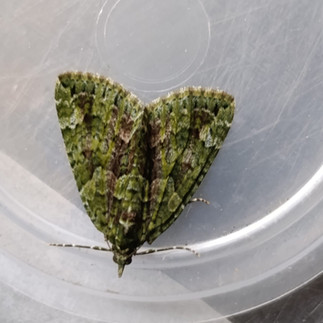


Moths from top left: Feathered Thorn (Colotois pennaria), December Moth (Poecilocampa populi), Silver Y The species cannot survive the UK winter conditions, and the adults either die off with the first frosts or migrate south again. Any sightings during the winter months are typically individuals associated with warm southerly winds,
Red-green Carpet (Chloroclysta siterata),
Mottled Umber (Erannis defoliaria) x 2 male moths (females are wingless),
November Moth aggregate (Epirrita sp.) It is visually nearly impossible to distinguish between the November Moth, Pale November Moth, and Autumnal Moth without close analysis.
Scarce Umber (Agriopis aurantiaria)
Bottom right: White-speck (Mythimna unipuncta) This is a migrant species often arriving in the UK during mild autumn winds.
Our weekly moth trap outings have yielded decent numbers for this time of year. We are seeing a beautiful array of autumnal species that have taken advantage of the milder nights to stay on the wing a week before the cold snap. It is a fascinating reminder that the reserve’s ecosystem remains active even as the days shorten.
Visit Us by contacting us
We are always open to visits , such as this small group this week, thank you to Nicky for the kind donation.

Winter is a beautiful time to walk the Glade. Whether you are here to spot the recovering Blue Tit population or simply to enjoy the crisp peace of the reserve, we look forward to seeing you. Book a visit, and be amazed at what our Reserve has to offer.
Wrap up warm, and don't forget your binoculars!


Comments